Implementation period: March 27, 2025 – January 26, 2027
The project's goal for the Vânători Neamț Natural Park is to become a model for approaching a natural park at the national level, both for biodiversity conservation, by introducing extinct species, and for the relationship with communities. This goal is instrumented through 4 objectives that aim at biodiversity conservation, visitor infrastructure, nature education and improved communication of the Park.
Objectives:
Establishing the "Forest School" educational area by November 2026, by completing the Visitor Center, arranging the forest-park and integrating the zoo into the visitor concept, creating a national model of infrastructure and educational programs for nature and biodiversity conservation, as well as developing a tourist attraction with socio-economic impact on local communities.
Including education for the values of the Natural Park in the teaching activity of schools in Neamț County, by involving at least 20 teachers and 400 students in teaching the optional course and in the regional project competition by December 2026.
Amplifying the communication capacity of the PNVNT, by conducting a series of courses specific to nature interpretation for rangers and gaining increased notoriety at regional and national level by carrying out a communication campaign and 4 events by the end of the project.
Improving the operational efficiency of the Romanian Ecotourism Association (AER) by December 2026, by purchasing office equipment for the implementation of a minimum of 3 projects and 2 consulting contracts annually.
Activities:
A.1. Preparatory measures for the return of the moose (Alces alces): Includes steps for the reintroduction of moose, such as research and obtaining the necessary approvals.
A.2. Creation of the infrastructure necessary for the return of elk specimens: Involves repairs and modernization of the acclimatization pen.
A.3. Creation of biodiversity hotspots: Establishment of pilot areas to reduce the effects of climate change and increase biodiversity.
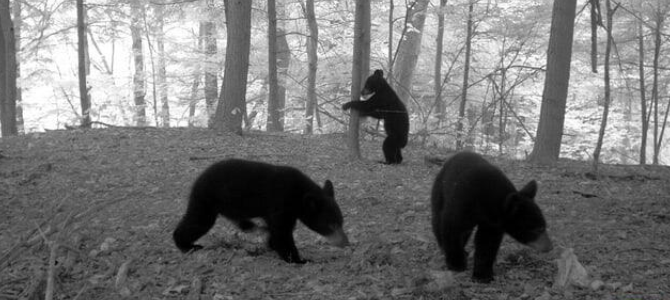
A.4. Monitoring of fauna through the network of monitoring stations: Collection of data to improve biodiversity management.
A.5. Monitoring of large herbivores through GPS collars: Tracking the movement and behavior of large herbivores.
A.7. Exterior arrangements of the visitor center: Improving the accessibility and appearance of the visitor center.
A.8. Arrangement of educational room and briefing room, implementation of ecological education activities on request, according to the park's offer and the education plan: Arrangement of spaces and provision of educational programs.
A.9. Shop layout: Layout of a shop with local products within the visitor center.
A.10. Signage of the Visitor Center at the entrance from DN15: Improving the visibility of the Visitor Center from the national road.
A.11. Creation of the Forest School educational area: Development of an outdoor educational area with interpretation elements, access infrastructure, development of a concept for the modernization of the zoo and the creation of a demonstrative dendrological area.
A.12. Creation of teaching materials for the optional integrated into the Curriculum at the school and student's decision "Through the Forests of Romania" - for middle school - optional forestry education at the level of Neamț county and example of good practice at the national level: Development of educational resources.
A.13. Promotion of the optional “Through the Forests of Romania” to be adopted by schools in Neamț County and the PNVNT area: Raising awareness and encouraging schools to adopt the new course.
A.14. Activating the local community to implement the education plan at the natural park level: Involving the local community in educational activities.
A.17. Preparing to guide visitors in the PNVNT: Developing resources and training staff for improved visitor experiences.
A.18. PNVNT promotion campaign: Increasing the visibility and attractiveness of the Park and the Visitor Center.
A.20. Organizing events: Organizing a series of 4 events to promote the Park and raise awareness.
A.21. Redesigning the park website: Modernizing the online presence of the PNVNT.
A.22. Purchasing equipment and improving operational efficiency: Purchasing the equipment necessary for the AER.
A.23. Project management and operation of a project implementation unit (PEU): Ensuring the smooth running of the project.
A.24. Promotion and communication: Implementing communication activities to disseminate information about the project.
The project “Land of the Bison: Conservation, Education and Tourism in the Vânători Neamț Natural Park” is funded by the OMV Petrom Foundation through the “Green for the Future” program, edition 2.0, developed by FDSC and Propark. The Romanian Ecotourism Association (AER) implements the project in partnership with RNP Romsilva – Vânători Neamț Natural Park Administration, the Mioritic Association and the Association for the Conservation of Biological Diversity.
The content of this material does not necessarily reflect the official position of the OMV Petrom Foundation, the Foundation for the Development of Civil Society or the Propark Foundation, and is the sole responsibility of the project beneficiary.