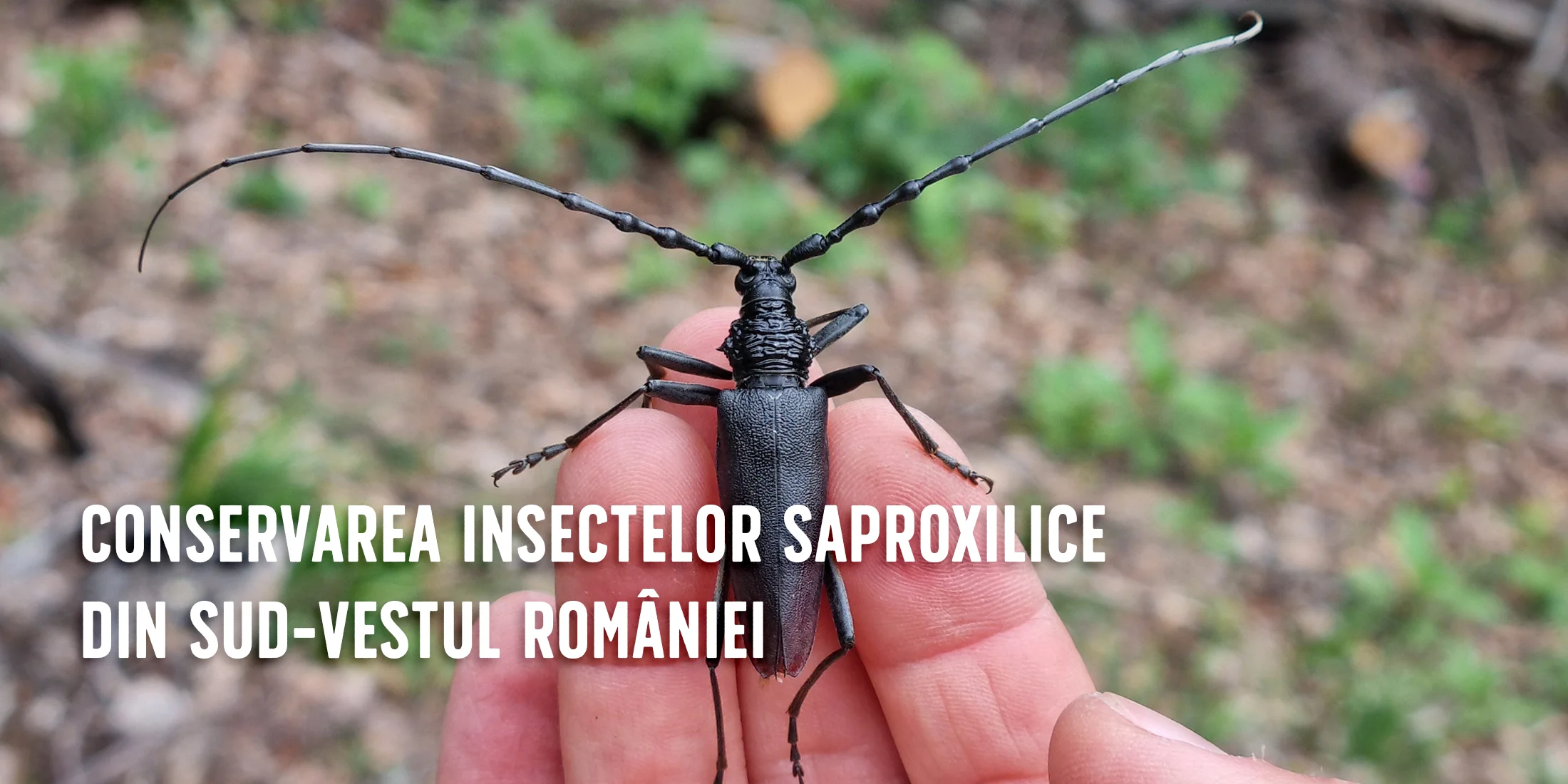
Conservation Assessment of Endangered Buprestis splendens and Threatened Saproxylic Beetles in Southwestern Romania
Implementation period: 01.06.2026 - 30.09.2027
ABOUT THE PROJECT

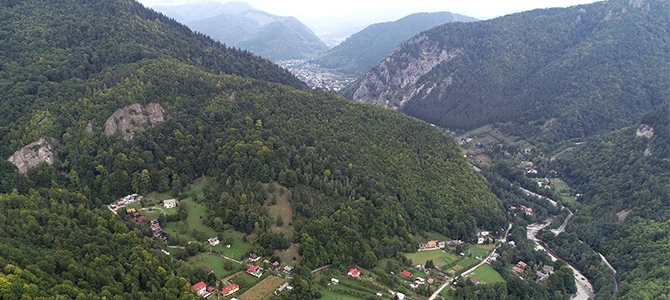
The mixed forests of the Iron Gates Natural Park, composed of pine, maple, oak and beech, provide essential habitats for numerous saproxylic beetle species. Deadwood and trees at various stages of decay play a crucial role in their survival.

Among the flagship species of the area is Buprestis splendens, also known as the Goldstreifiger, a species threatened with extinction. It depends on decaying pines, particularly the black pine (Pinus nigra banatica), and the park's forests represent one of its last important refuges in Romania.

Today, these forest landscapes, traditionally managed over the centuries, are increasingly vulnerable due to land abandonment, uncontrolled logging and wildfires driven by extreme temperatures. In this context, monitoring the presence and abundance of saproxylic beetles, including Buprestis splendens, is essential for assessing the condition of these habitats and for underpinning effective conservation measures.
FUNDED:
The project "Conservation Assessment of Endangered Buprestis splendens and Threatened Saproxylic Beetles in Southwestern Romania" is funded by the Mohamed bin Zayed Species Conservation Fund and aims to conserve the forest habitats that are essential for Buprestis splendens and other threatened saproxylic beetles, through the retention of deadwood, traditional forest management and coordinated conservation measures.
PROJECT OBJECTIVE:
Main objective: To assess the conservation status of Buprestis splendens and other threatened saproxylic beetles, in order to underpin effective conservation and forest management measures.
ACTIONS:
The planned actions focus on monitoring Buprestis splendens and saproxylic beetle communities, assessing habitats, analysing the effects of conservation measures, promoting traditional forest management practices, and raising public awareness of saproxylic beetles and their ecological role.
NEWS
24 sept. 2025

ACDB and the Putna Vrancea Natural Park Administration step in directly to conserve grasslands and protect butterflies The Putna Vrancea Natural Park is home to 714 butterfly species, placing it

4 sept. 2025

In the heart of the Putna-Vrancea Natural Park, the Cheile Tișiței and Muntele Ciuta areas have been designated as a “Primary Protection Zone for Butterflies.” This unique biodiversity is of

4 sept. 2025

In the bear habitat, unprotected trash bins lead to changes in the behavior of wild animals. Bears do not come to garbage because they cannot find food in nature, but

23 iun. 2025

On May 28, a press conference was held in Tulnici to officially launch the project “Putna Vrancea Park – A Wild and Accessible Park for the Future.” The event, hosted

19 mai 2025

Full of enthusiasm, we have launched a new project dedicated to the protected natural area of Putna Vrancea Natural Park, with the aim of improving the conservation status of key

5 mai 2025

We are happy to announce the launch of the project „Our Waters, Our Future: Plastic Cleanup Campaign in Romanian Waters”, an initiative aimed at protecting biodiversity and reducing plastic pollution